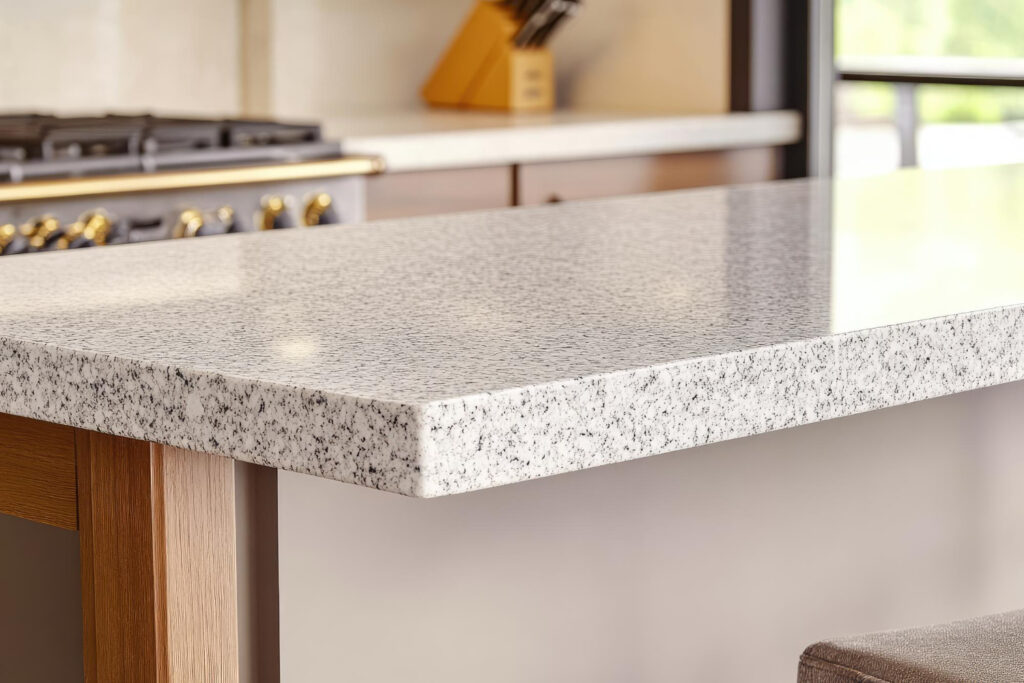







Granite countertops are built to last. They handle heat, daily prep work, spills, and constant use. But even durable stone needs proper care.
Cleaning granite countertops the wrong way can dull the finish, weaken the seal, and shorten the lifespan of the surface. We’ve seen it happen. Homeowners use common household cleaners thinking they’re safe, only to notice fading shine or darkened spots months later.
The good news is granite is easy to maintain when you know what to use and what to avoid.
Let’s walk through daily care, deep cleaning, and long term protection.
Why Proper Granite Cleaning Matters
Granite is a natural stone. Even though it’s sealed during installation, it remains slightly porous.
That means:
Harsh chemicals can break down the seal
Acidic cleaners can dull the surface
Improper products can cause discoloration
Cleaning granite countertops correctly protects both the stone and the protective sealant. When maintained properly, granite keeps its depth, shine, and durability for decades.
Daily Cleaning Granite Countertops
For everyday cleaning, simple is best.
What you need:
Warm water
Mild dish soap
Soft microfiber cloth
Wipe the surface after meal prep. Dry it with a clean cloth to prevent water spots. That’s it.
Daily maintenance doesn’t require heavy chemicals. In fact, using too many products often causes more harm than good.
Choosing a Granite Friendly Cleaner
When you want something stronger than soap and water, choose a granite friendly cleaner specifically designed for natural stone.
Look for cleaners that are:
pH balanced
Free of ammonia
Free of bleach
Non acidic
Labeled safe for natural stone
Avoid all purpose cleaners unless they specifically state they are safe for granite.
A proper granite friendly cleaner removes grease and bacteria without damaging the seal. It keeps the surface looking polished instead of cloudy.
What Not to Use on Granite
This is where many problems start.
Never use:
Vinegar
Lemon based cleaners
Bleach
Glass cleaner
Abrasive scrub pads
These products slowly wear down the sealant. Once the seal weakens, moisture and oils can penetrate the stone.
The result? Staining that could have been prevented.
Granite Countertop Deep Cleaning
Over time, residue can build up even with regular wiping. That’s when granite countertop deep cleaning becomes necessary.
Deep cleaning should be done occasionally, not daily.
Here’s how:
Clear the surface completely.
Use a granite safe cleaner designed for buildup removal.
Let the cleaner sit for the recommended time.
Wipe thoroughly with a soft cloth.
Dry the surface fully.
For tougher stains, especially oil based stains, a poultice may be required. This pulls the stain out of the stone rather than simply cleaning the surface.
Granite countertop deep cleaning restores clarity and removes invisible buildup that dulls shine.
How to Tell If Granite Needs Resealing
Cleaning granite countertops properly helps preserve the seal, but over time resealing becomes necessary.
To test the seal:
Pour a small amount of water onto the surface.
Let it sit for 10 to 15 minutes.
Wipe it away.
If the stone darkens where the water sat, it may be time to reseal.
Most granite countertops need resealing every one to three years depending on usage.
Preventing Stains Before They Start
Cleaning is important. Prevention is better.
Protect granite by:
Wiping spills immediately
Using cutting boards
Using trivets for hot pans
Avoiding harsh chemical exposure
Oils, wine, coffee, and acidic liquids are the most common culprits for staining.
With consistent care, stains are rarely an issue.
Restoring Shine to Granite
If your granite looks dull, the issue is often residue buildup rather than damage.
Start with granite countertop deep cleaning. If shine doesn’t return, a professional polishing service may be necessary.
Professional stone polishing can restore gloss and smoothness without replacing the countertop.
Why Professional Guidance Matters
Granite installation isn’t just about fitting slabs. It’s about long term performance. When countertops are sealed properly and homeowners understand cleaning granite countertops correctly, problems are minimal.
Improper care is one of the most common reasons granite loses its luster prematurely. Education prevents expensive restoration later.
If you’re unsure about seal condition, staining, or product safety, professional input protects your investment.
FAQs About Cleaning Granite Countertops
How often should I clean granite countertops
Daily wiping with mild soap and water is recommended. Deep cleaning can be done periodically as needed.
Can I use vinegar to clean granite
No. Vinegar is acidic and can damage the sealant over time.
What is the best granite friendly cleaner
A pH balanced cleaner labeled safe for natural stone is ideal. Avoid ammonia or bleach based products.
How do I remove tough stains from granite
Oil based stains may require a poultice treatment. Surface cleaners alone may not remove deep stains.
Do granite countertops need to be resealed
Yes. Most granite surfaces need resealing every one to three years depending on use.
Granite countertops are built to last, but longevity depends on proper care. Cleaning granite countertops with the right products keeps them looking polished, protects the seal, and prevents long term damage.
If you have questions about maintaining your granite or are considering new stone countertops, schedule a consultation. Professional guidance ensures your surfaces stay beautiful, durable, and protected for years to come.