



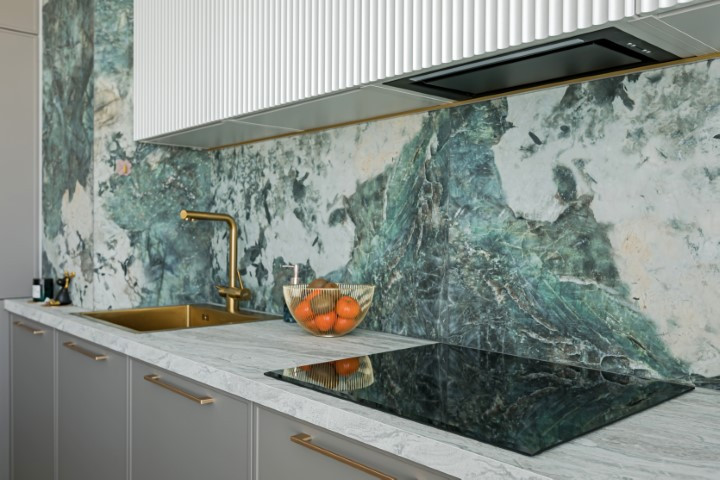

Choosing countertops usually starts with material and color. Quartz or granite. Light or dark. What many homeowners don’t realize is that countertop edge profiles quietly shape how the entire space feels and how the countertop performs over time.
This decision affects daily use, safety, cleaning, durability, and the overall look of your kitchen or bathroom. We see it every day. Homeowners who rush this choice often regret it later. Those who understand their options end up with countertops that feel intentional, comfortable, and built to last.
If you are planning a remodel or replacement, this guide walks you through countertop edge profiles in a way that makes sense. No design jargon. No guesswork. Just practical insight based on real installations.
What Are Countertop Edge Profiles
Countertop edge profiles refer to the shape and finish of the exposed edge of your countertop. While it may seem like a small detail, the edge is one of the most visible and frequently touched parts of the surface.
An edge profile can soften a bold stone slab or sharpen a modern design. It can reduce chipping in high traffic areas or add a layer of safety in homes with children. The right profile supports both the look and the function of the space.
Why Edge Profiles Influence More Than Appearance
From years of fabrication and installation experience, edge selection impacts three major areas.
First is durability. Certain edge styles protect the stone better, especially around sinks and corners where impact is more common.
Second is maintenance. Some edges are easier to clean and resist buildup along the lip of the countertop.
Third is comfort and safety. Rounded profiles feel smoother during everyday use and reduce sharp contact points.
Homeowners often focus on slab beauty, but edge profiles determine how that slab performs in real life.
Popular Countertop Edge Profiles Homeowners Choose
Each profile creates a different experience. The best option depends on lifestyle, material choice, and design goals.
Eased Edge
This is one of the most requested countertop edge profiles. It features a clean straight line with slightly softened corners.
Why homeowners like it
- It works with modern and transitional kitchens
- It minimizes chipping while maintaining a sleek look
- It feels subtle and timeless
This profile pairs exceptionally well with quartz and granite in busy kitchens.
Bullnose Edge
The bullnose edge is fully rounded and smooth. It creates a softer visual flow.
Why homeowners choose it
- It feels comfortable and safe in family homes
- It hides wear well over time
- It complements traditional and classic designs
Bullnose edges are especially popular in bathrooms and kitchens with heavier daily use.
Half Bullnose Edge
This profile offers a rounded top edge with a flatter bottom edge.
Why it works
- It balances softness and structure
- It allows water to drip away from cabinet faces
- It fits both modern and traditional spaces
We often recommend this profile when homeowners want function without a fully rounded look.
Beveled Edge
A beveled edge features a crisp angled cut along the top edge.
Why it stands out
- It adds definition and visual interest
- It enhances reflective stone surfaces
- It works well in contemporary designs
Beveled edges look striking on quartz slabs with subtle veining.
Ogee Edge
This is a decorative edge with an elegant curved profile.
Why homeowners select it
- It adds character and detail
- It pairs beautifully with traditional cabinetry
- It elevates formal kitchen designs
Ogee edges require skilled fabrication and are best suited for thicker stone slabs.
Matching Edge Profiles to Countertop Materials
Not every edge works equally well with every material.
Quartz countertops pair best with eased, beveled, and bullnose profiles. These edges support quartz strength while maintaining clean lines.
Granite countertops allow more flexibility. Granite works beautifully with eased, half bullnose, beveled, and ogee profiles depending on slab thickness and pattern.
Marble often benefits from softer edges due to its natural characteristics and sensitivity to impact.
This is where professional guidance matters. Material structure and edge choice should support each other, not compete.
How Edge Profiles Affect Kitchen and Bathroom Design
Edge profiles help define the mood of the space.
In kitchens, simpler profiles support clean layouts and allow cabinetry and backsplash design to shine. Rounded edges work well near prep zones and seating areas.
In bathrooms, edge selection influences comfort and elegance. Softer profiles feel better in tighter spaces while decorative edges add refinement to vanity tops.
The best results come from viewing edge profiles as part of the entire design, not an afterthought.
Choosing the Right Edge Profile for Your Home
We always encourage homeowners to consider three questions.
- How will this space be used every day?
- Who will be using it?
- What design style do you want to live with long term?
Edge profiles should match lifestyle first and aesthetics second. When both align, satisfaction stays high years after installation.
FAQs About Countertop Edge Profiles
What is the most popular countertop edge profile
The eased edge remains the most popular choice due to its clean appearance, durability, and versatility across kitchen styles.
Are certain edge profiles more durable
Yes. Rounded and softened edges tend to resist chipping better than sharp edges, especially in high use areas.
Do edge profiles affect countertop cost
Some profiles require more fabrication time. Decorative edges may increase cost slightly due to additional labor and precision work.
Can I mix edge profiles in the same kitchen
Yes. Many homeowners choose softer edges on islands and simpler edges along perimeter countertops.
Should edge profiles match cabinet style
They should complement it. Clean cabinet lines pair best with simple edges, while detailed cabinetry can support decorative profiles.
If you are choosing countertop edge profiles, seeing and feeling the options in person makes all the difference. A professional consultation helps you avoid costly mistakes and ensures your countertops look and perform exactly as expected. Reach out to schedule a design consultation and get guidance tailored to your space, material, and lifestyle.