
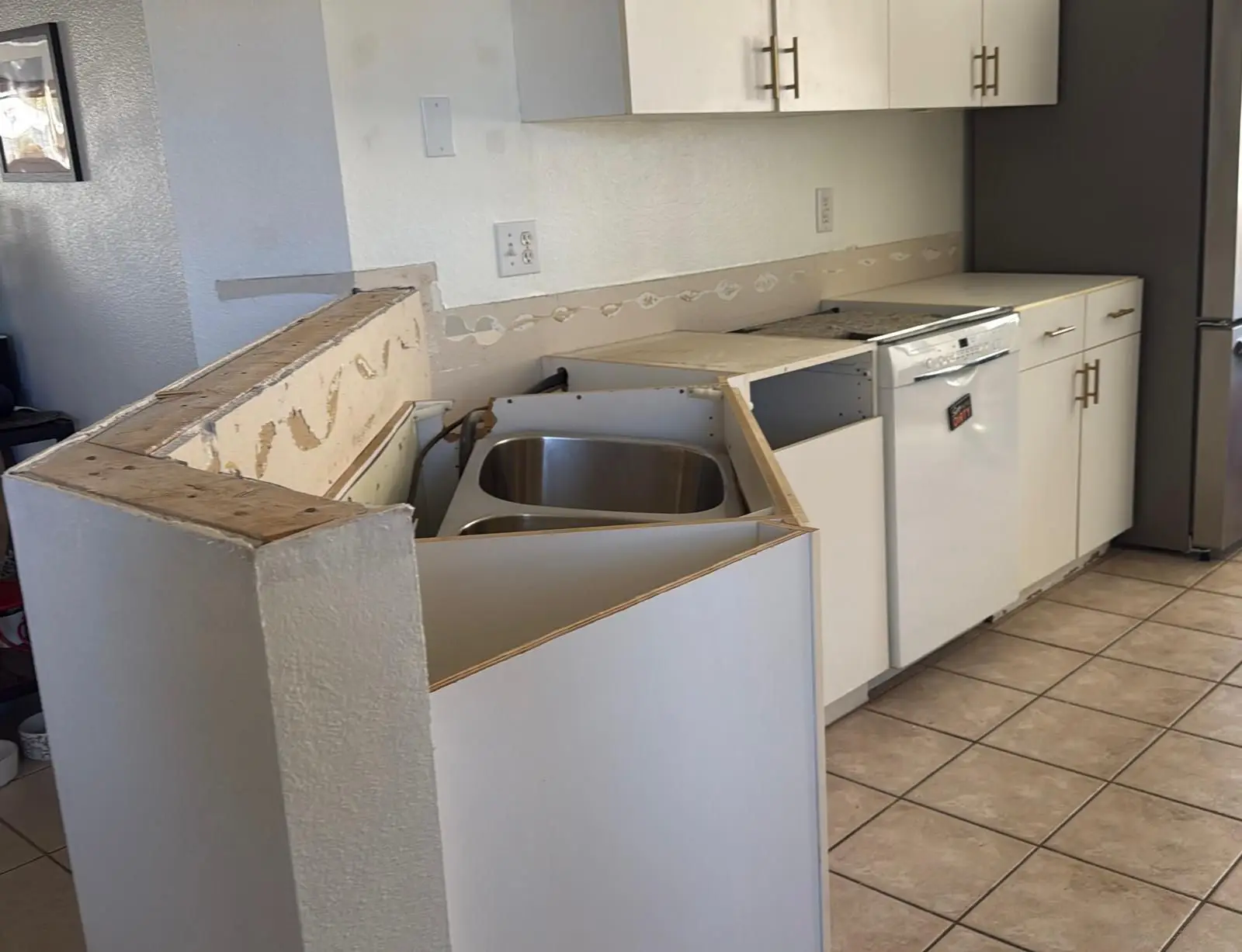
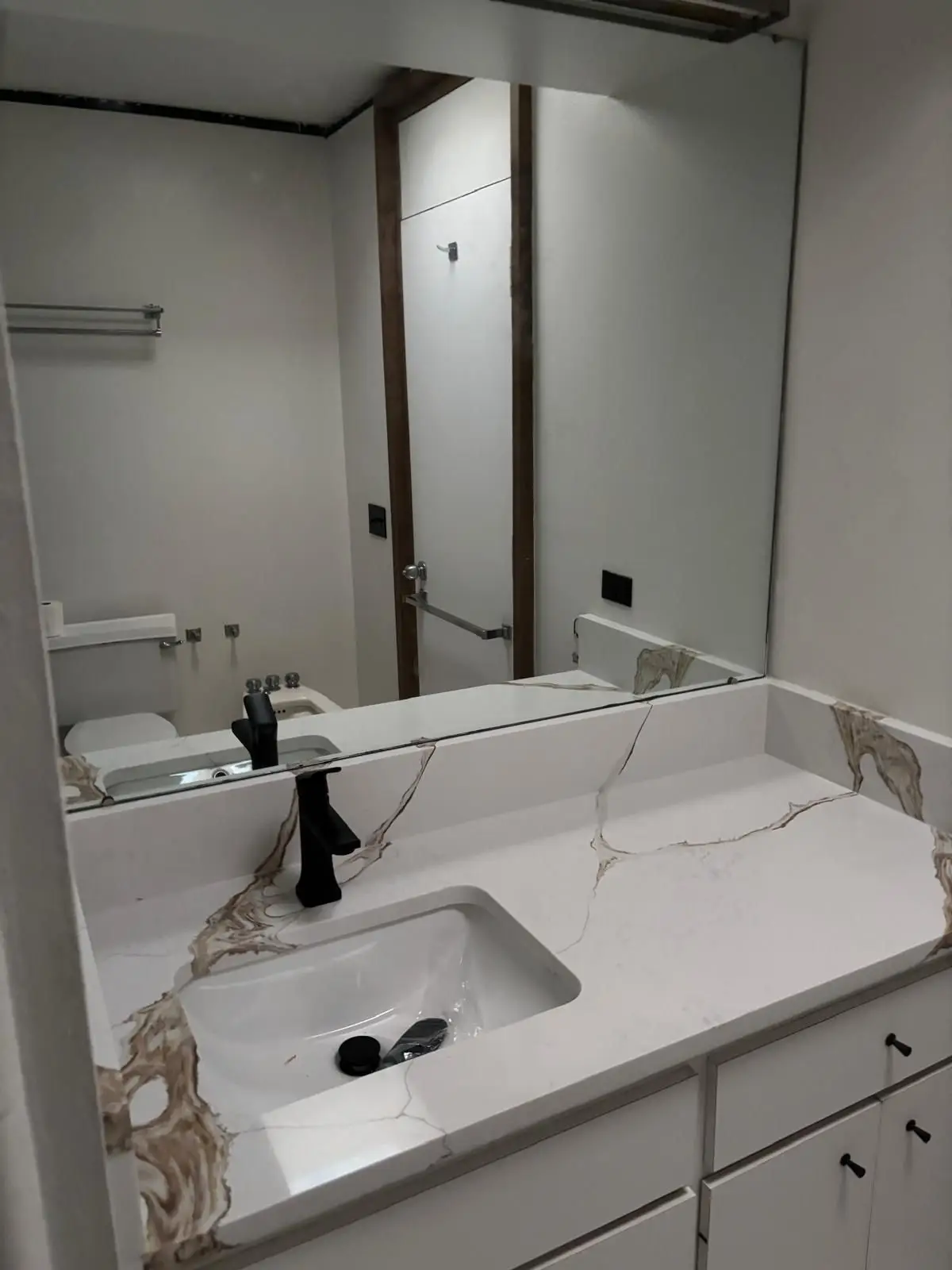
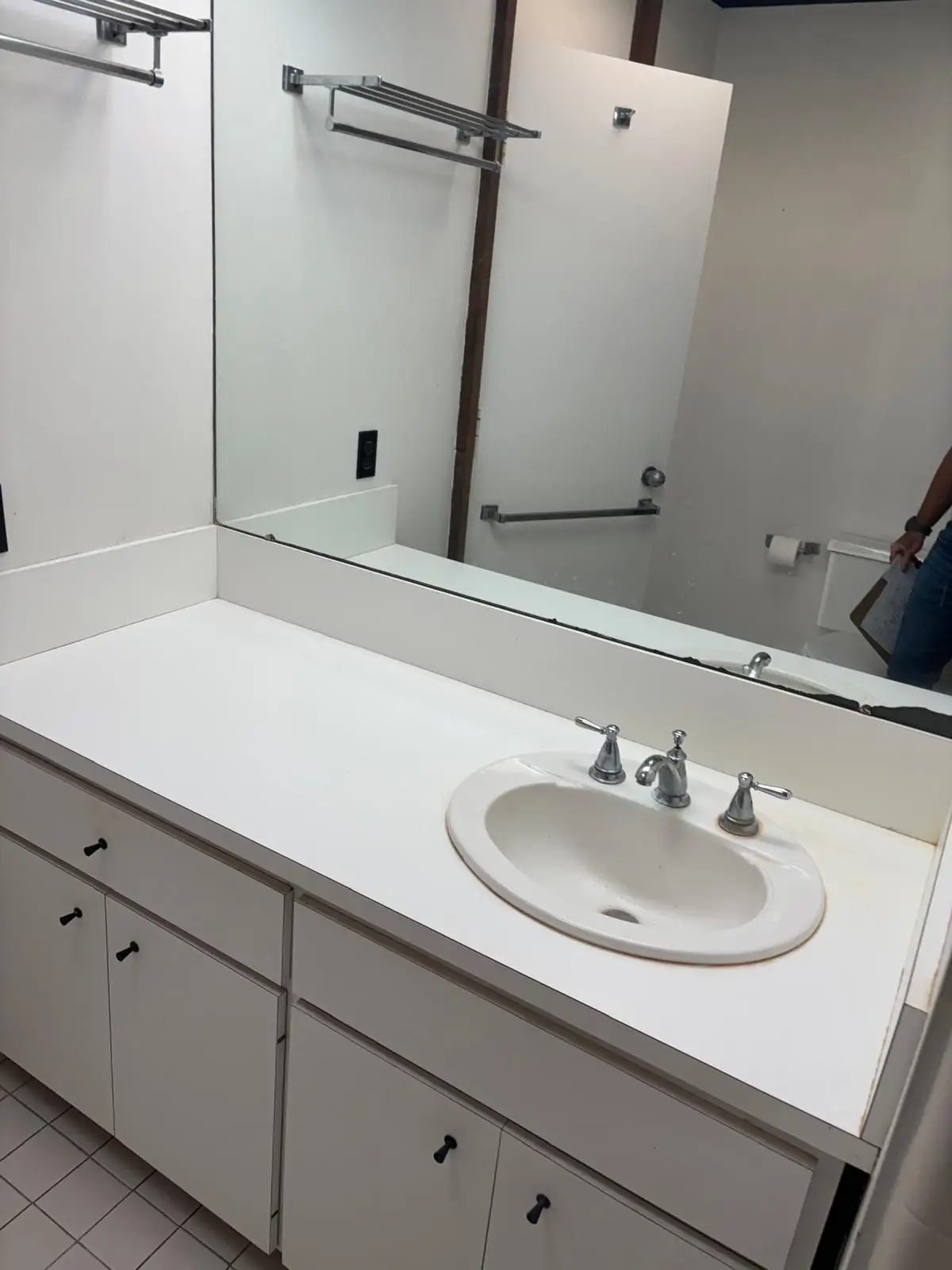
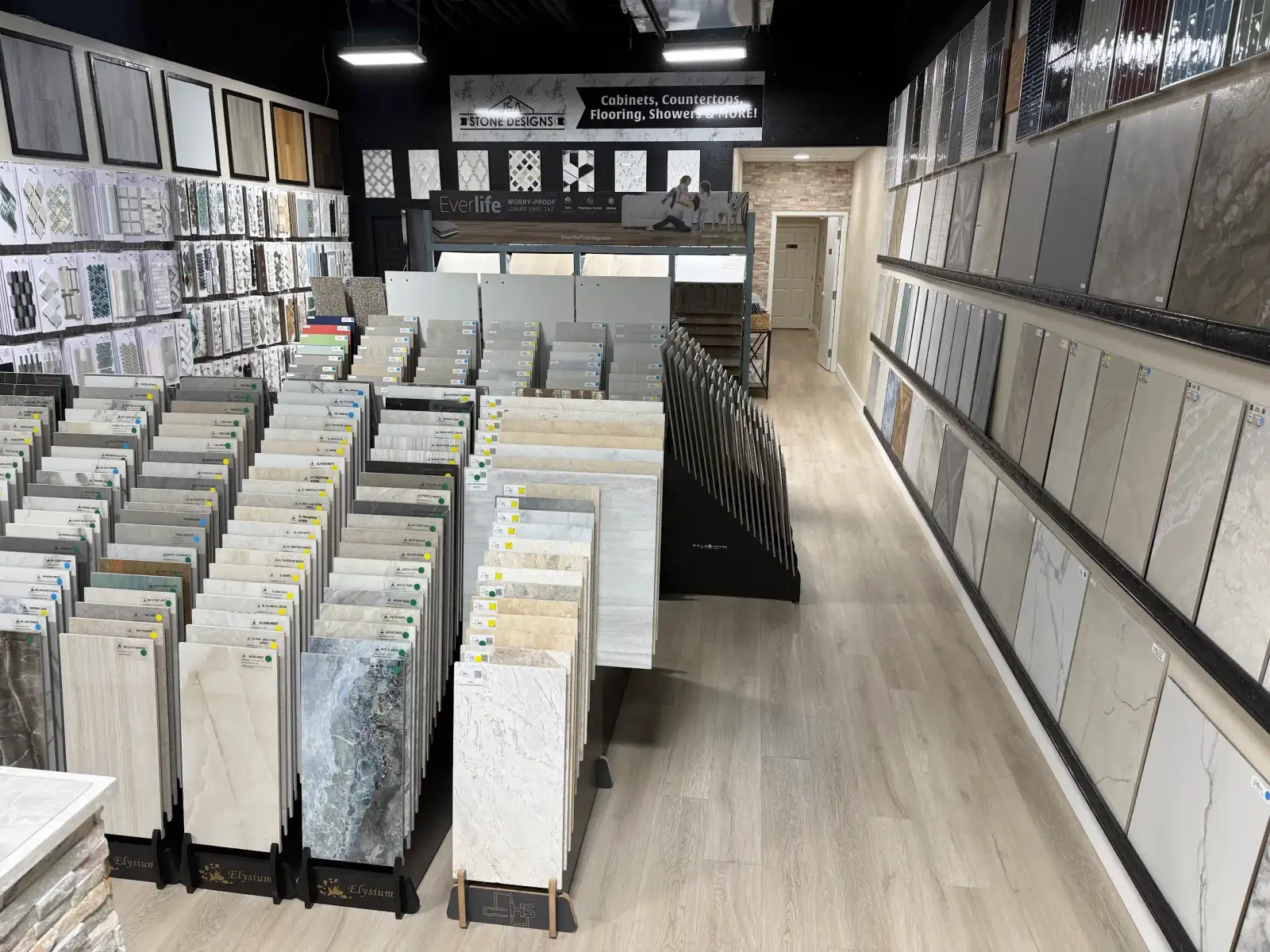
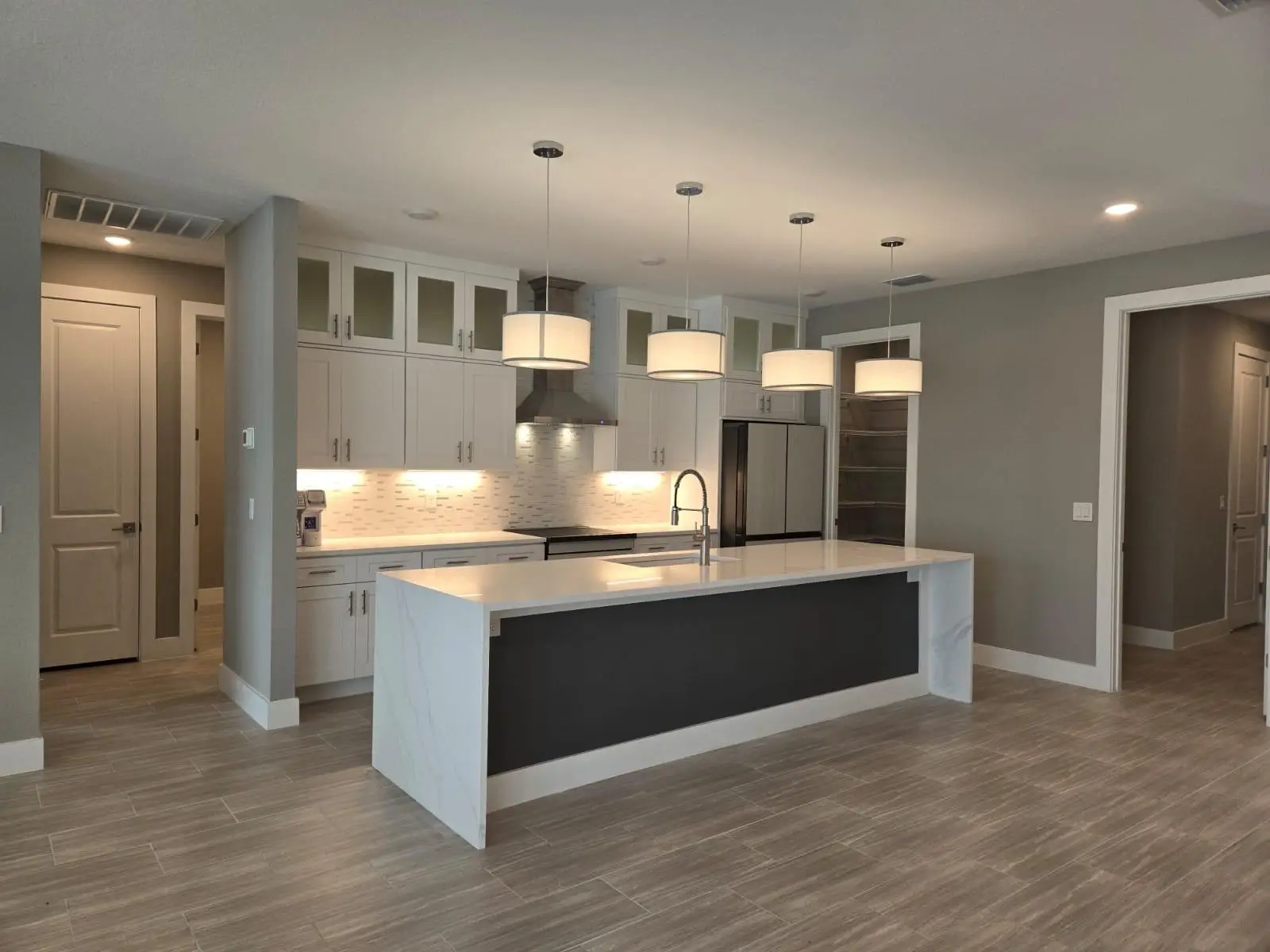
What is the best countertop material in 2026 depends on how you live in your kitchen. Quartz usually wins for low maintenance families, granite appeals to natural stone purists, and marble is unmatched for classic luxury if you are comfortable with patina. This guide compares quartz vs granite vs marble using real-world performance priorities. At J&A Stone Design Inc., we build countertops for real kitchens, not showroom fantasies. Homeowners ask us the same question every week: which stone holds up to life, looks great long-term, and supports resale value. To answer that clearly, we evaluate the “Big Three” materials the way your kitchen will treat them: spills (like red wine), heat (like hot pans), and daily abrasion (like knives and cookware). We also weigh fabrication quality, because the best slab can be ruined by poor seams and sloppy installation. Use this page as your decision-making engine, then schedule a showroom visit and a professional measure so your final selection fits your layout, lighting, and budget.
Stop Guessing: The Big Three Showdown
Homeowners usually compare these three categories:
Quartz (engineered stone): consistent patterns, low maintenance, highly stain resistant
Granite (natural stone): unique movement, excellent heat tolerance, needs sealing
Marble (natural stone): timeless luxury, etches more easily, develops patina
Here is the simple comparison most homeowners want up front:
| Category | Quartz | Granite | Marble |
|---|---|---|---|
| Stain resistance | Excellent | Good with sealing | Moderate with sealing |
| Heat tolerance | Good, use common sense | Excellent | Very good |
| Scratch resistance | Very good | Very good | Good |
| Maintenance | Low | Medium | Medium to high |
| Visual consistency | High | Low to medium | Medium |
| Best fit | Busy families | Natural stone lovers | Bakers and luxury fans |
This table gets you oriented, but the real answer comes from lifestyle match.
The Lifestyle Test: Which Stone Fits Your Home?
If you have kids, pets, and constant activity
Quartz is usually the easiest “yes.” It handles spills and routine messes with minimal worry. That matters because most countertop damage is not dramatic. It is slow, daily wear: juice near the edge, coffee by the sink, oily fingerprints, and rushed wipe-downs.
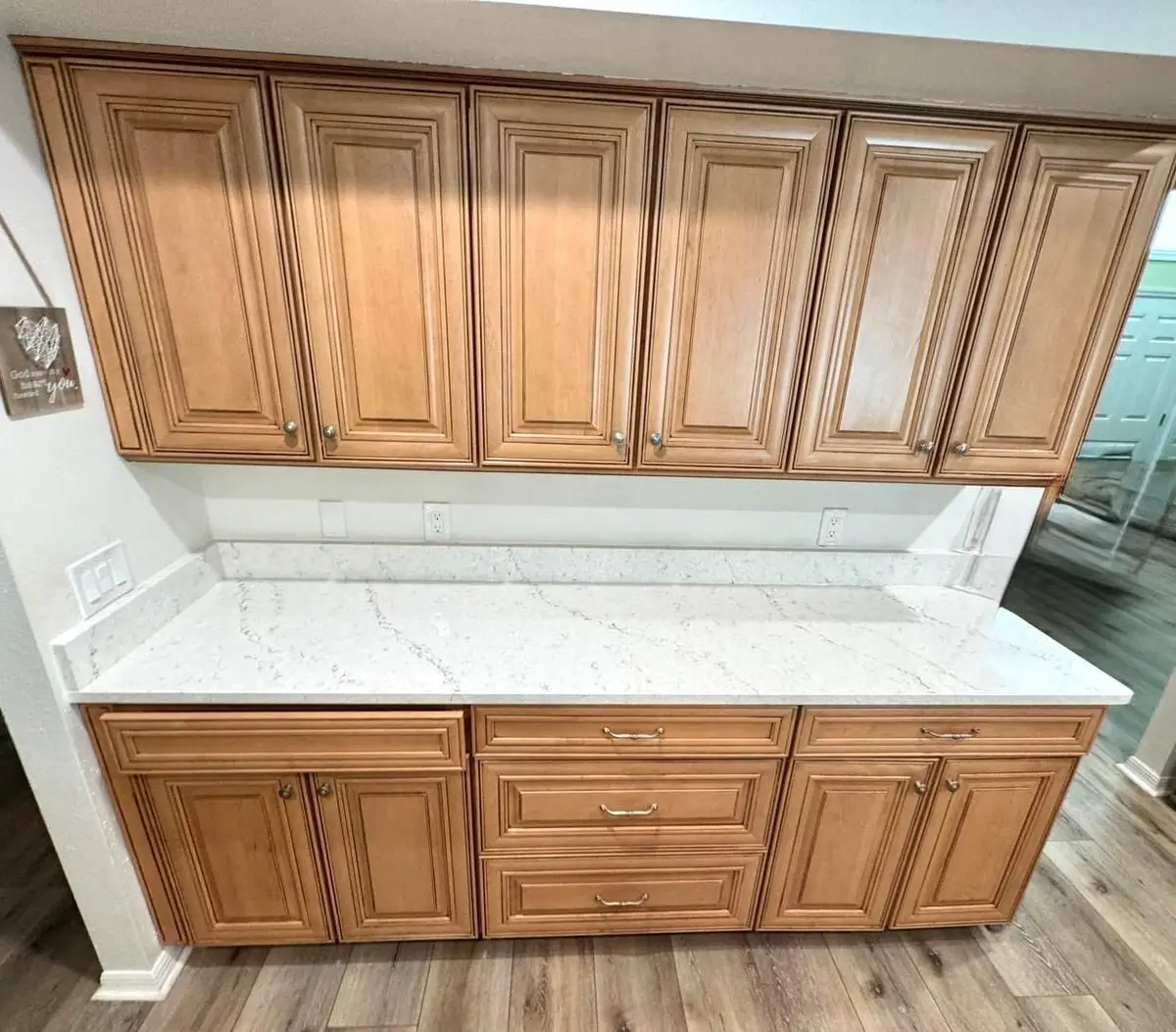
Quartz is engineered, which means the pattern is controlled. If you want the look to stay consistent from one end of the kitchen to the other, quartz makes that easier, especially on long runs and islands.
If you are a serious cook who loves natural materials
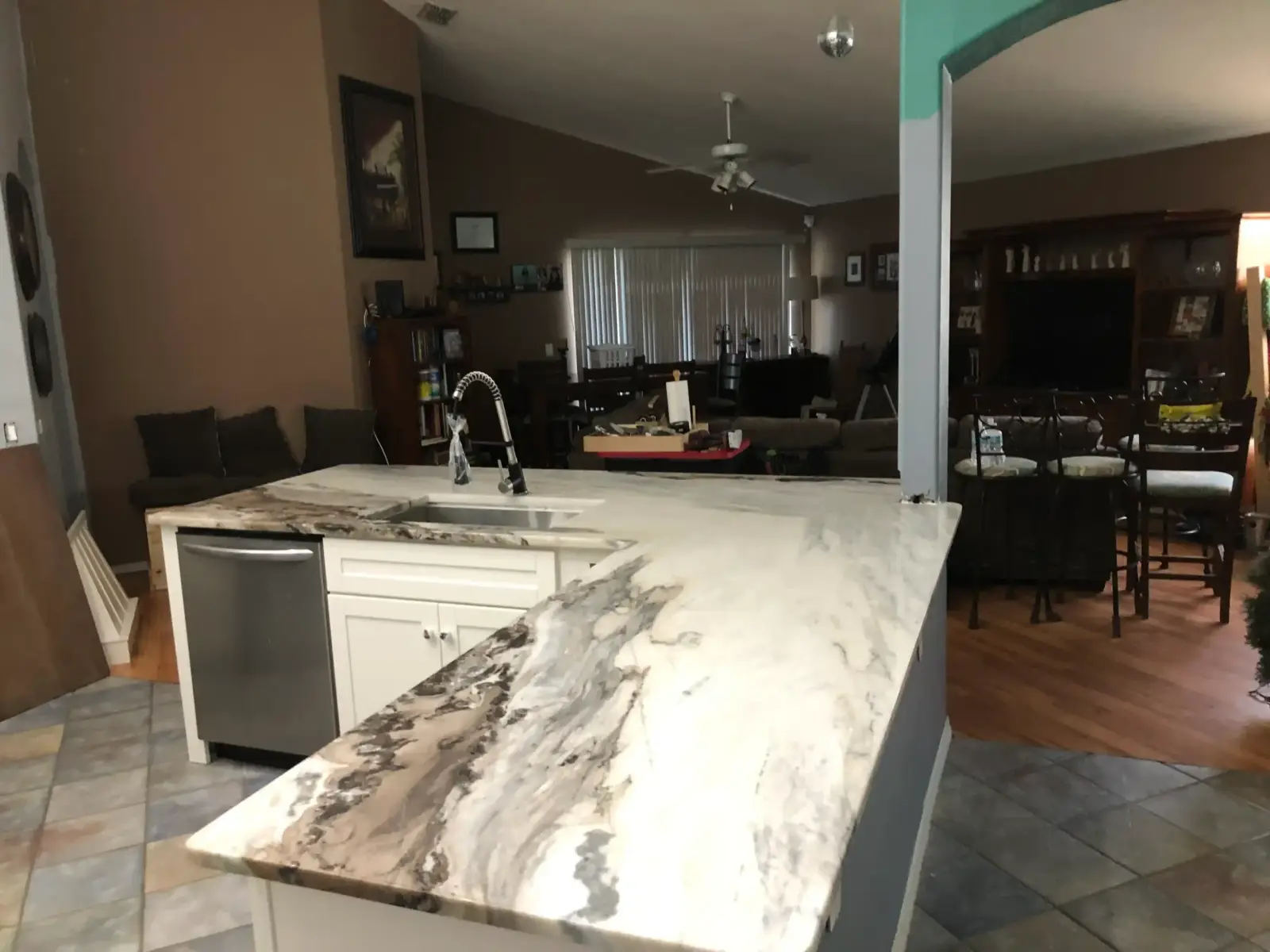
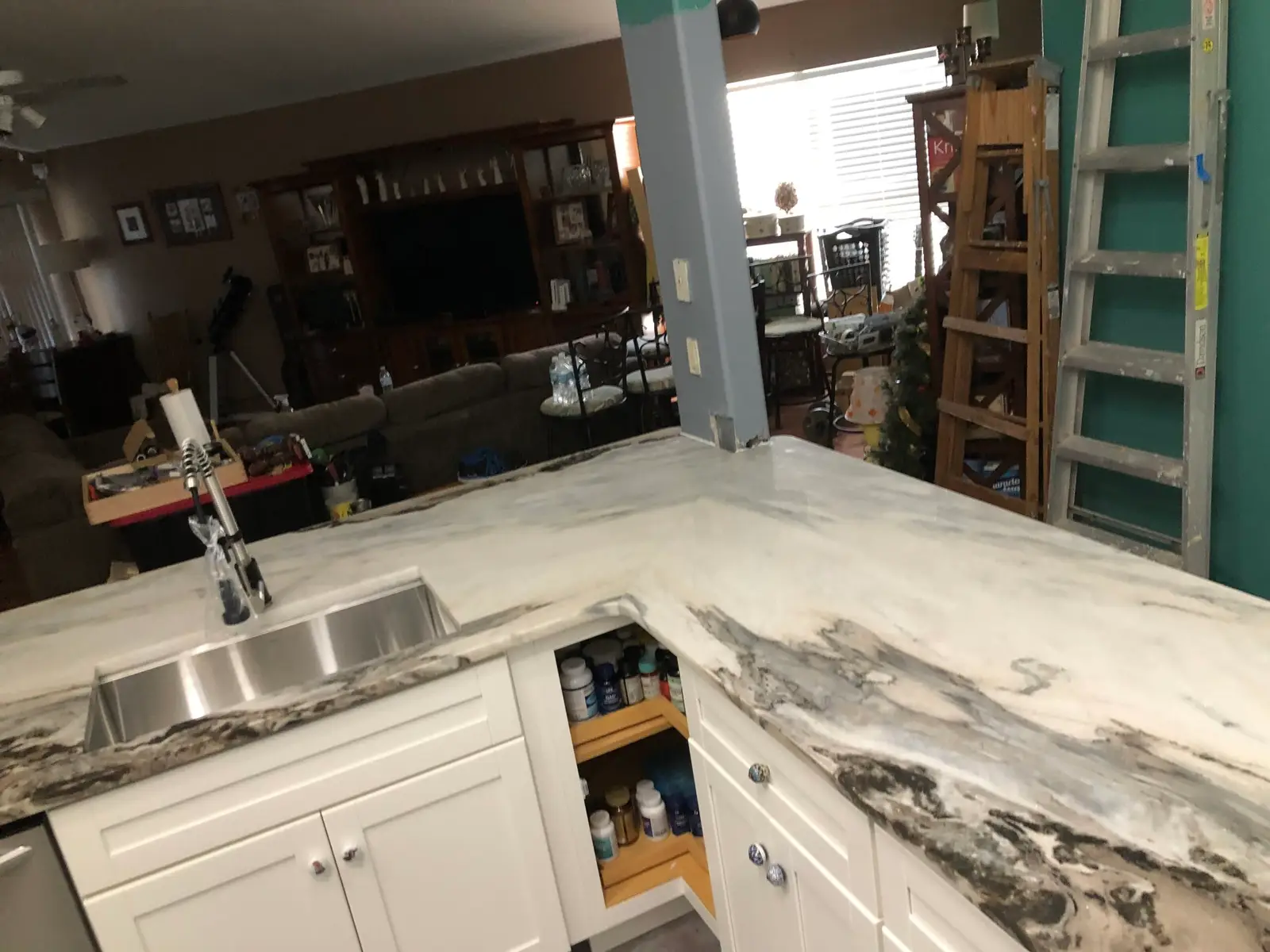
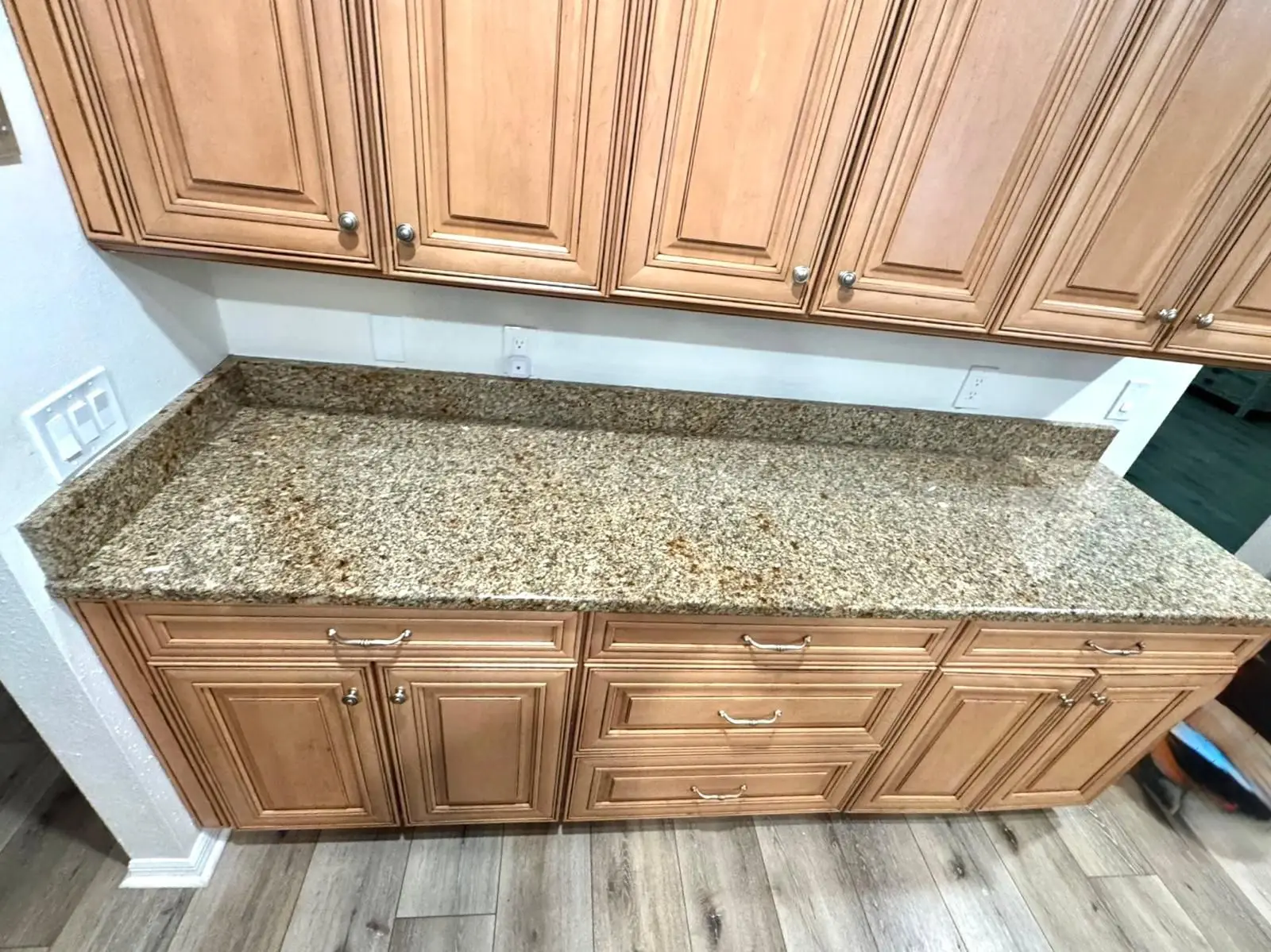
Granite is the classic natural stone option. Every slab is unique, and many homeowners value that authenticity. Granite also tolerates heat well, which matters near ranges and prep zones. It still benefits from sealing, and the “feel” varies based on the specific stone.
The key is selection. Some granites are dense and consistent. Others have more movement and more natural variation. Choosing a slab in person makes a big difference because photos do not show the full story.
If you bake, entertain, and want timeless luxury
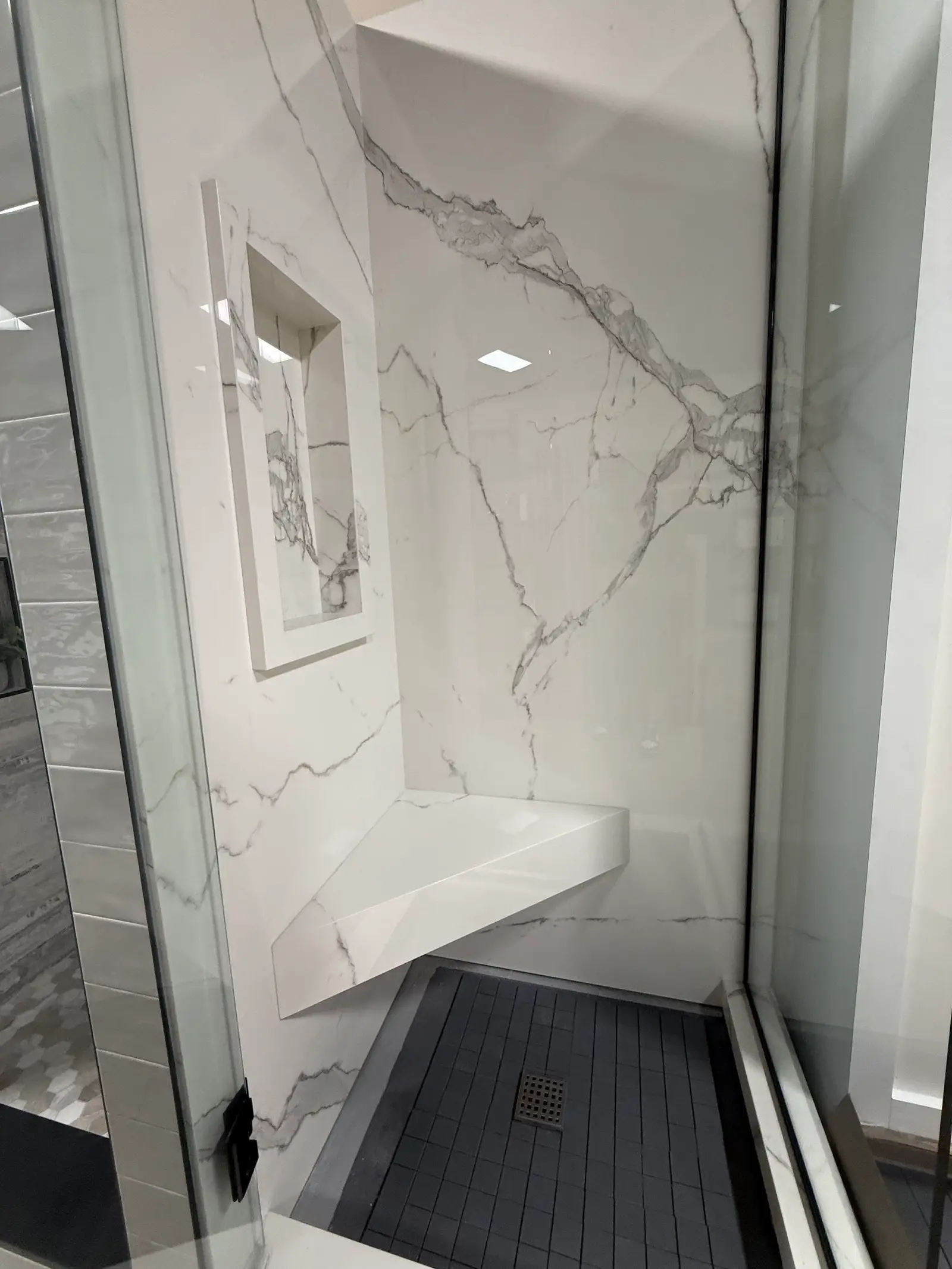
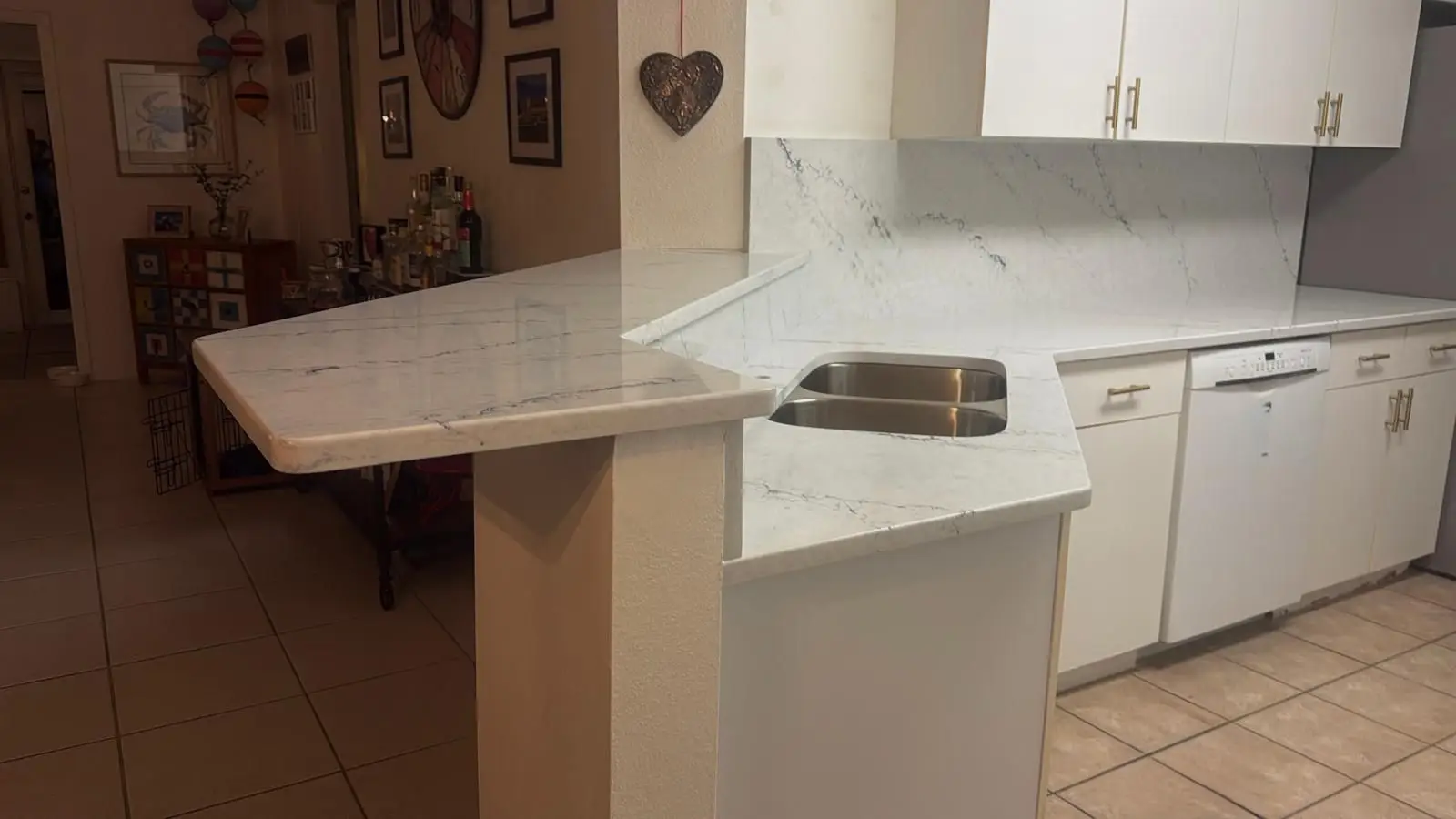
Marble is the material that stops people in their tracks. It is bright, elegant, and traditional. Marble also has practical benefits for bakers because it stays cooler, which can be helpful for dough work.
The tradeoff is that marble tends to etch more easily from acids like lemon and vinegar. Etching is not the same as staining, and many homeowners learn to appreciate marble’s patina over time. If you want perfection, marble may frustrate you. If you want character, marble can be ideal.
What Our “Real Kitchen” Tests Tell You
Homeowners love the idea of “we tested it,” so here is what matters in plain language:
Red wine and stain risk
Quartz generally resists staining extremely well in normal kitchens.
Granite can resist staining well, especially when sealed and properly maintained.
Marble can stain if spills sit too long, and sealing helps but does not make it invincible.
Hot pans and thermal shock
Granite tolerates heat well, but sudden temperature changes can still be risky for any stone.
Marble handles heat well but can show surface changes depending on finish.
Quartz is durable, but extreme direct heat can discolor resins in some cases, so trivets are smart.
Knife scratches and abrasion
Quartz and granite both hold up very well in daily use.
Marble can scratch more easily, especially in certain finishes, but most kitchens see more etching than deep scratches.
The practical takeaway is this: most homeowners will not “destroy” any of these materials, but each has a different personality under stress.
The Fabrication Factor: Why the Seam Matters
A countertop is not just a slab. It is a finished system: seam placement, edge profiles, sink cutouts, faucet holes, and how the slab is supported. A bad seam can make a premium stone look cheap.
When homeowners say “I hate how that countertop looks,” it is often fabrication, not the material. Good fabrication includes:
intentional seam placement (not centered where your eye lands)
vein matching (patterns flow across seams)
clean sink cutouts and polished edges
proper supports for spans and overhangs
careful handling and installation so corners do not chip
This is why working with a local fabricator matters. You want the people who cut it to care how it looks in your home.
2026 Design Trends: Warm Veining Takes Over
In 2026, design is shifting away from stark, icy whites and toward warmth and texture.
What we see homeowners choosing more often:
creamy whites with warm undertones
“greige” and taupe quartz patterns
softer veining, less contrast, more natural movement
honed and matte finishes for a calmer look
darker stones as statement islands paired with lighter perimeter counters
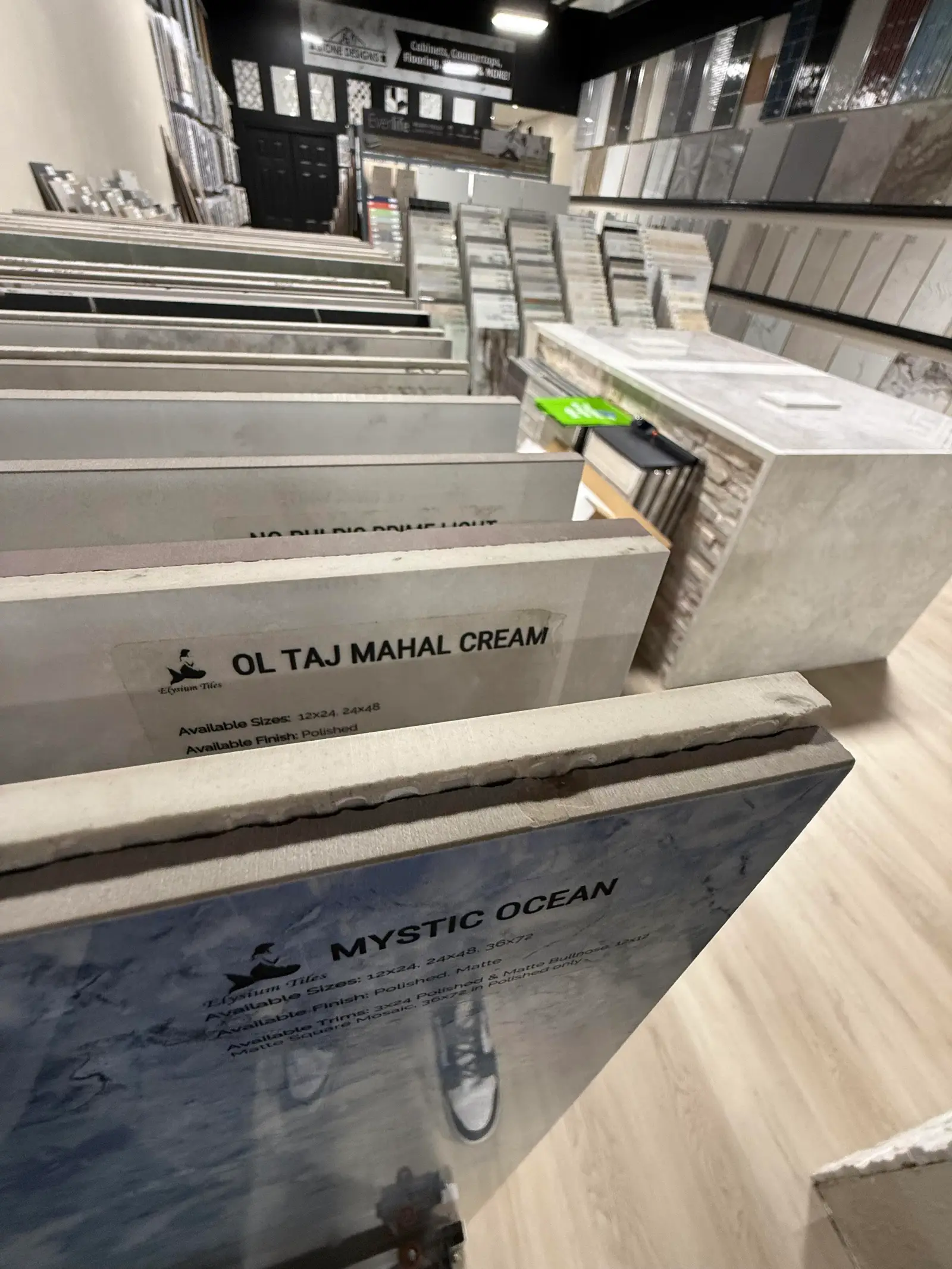
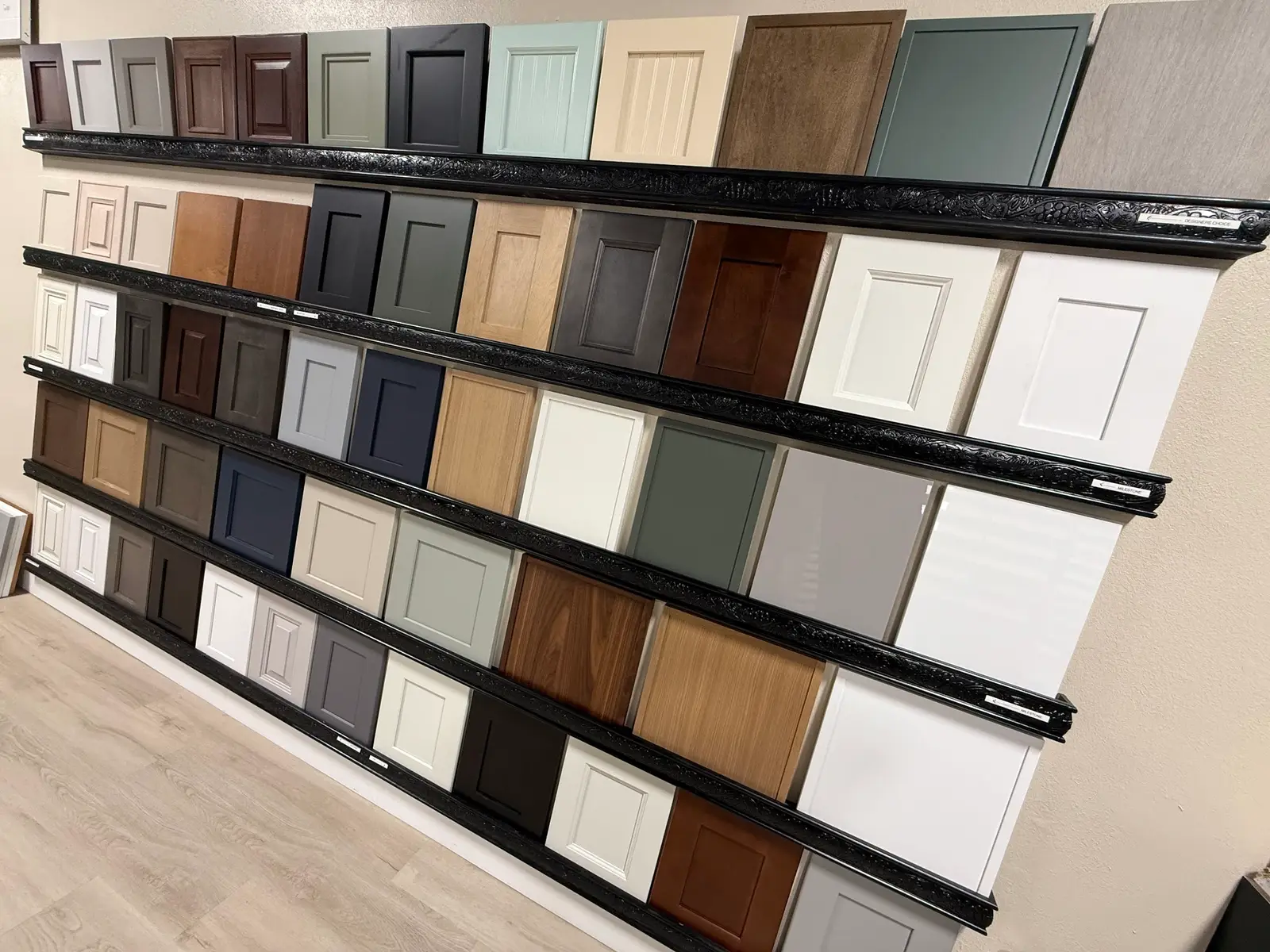
The best trend advice is simple: match the stone to your lighting. A quartz that looks warm in a showroom can look cooler under different bulbs at home. Bring cabinet samples and pick slabs in person when possible.
Resale Value: Which Material Wins ROI in Your Local Market
Countertops influence buyer perception because kitchens sell homes. In many markets, quartz is considered “move-in ready” because it reads modern and low maintenance. Granite remains widely recognized and can support resale well when the install looks clean. Marble can be a premium differentiator, but it is more buyer-specific.
ROI is not just the material. It is the execution:
timeless color choices tend to age better
clean seam placement signals quality
professional installation reduces visible flaws
coordinated backsplash and sink choices complete the look
A well-fabricated quartz countertop often delivers the best blend of broad appeal and low anxiety for buyers.
Quick Selector: Choose Based on Your Priorities
Pick the statement that sounds like you:
“I want the easiest countertop to live with.” → Quartz
“I want natural stone and I cook constantly.” → Granite
“I want classic luxury and I do not mind character.” → Marble
If you are on the fence, we often recommend: start with quartz for the main runs, then consider a feature area that brings personality, such as a statement island or coffee bar.
Next Step: Make the Decision With Real Samples
The smartest move is selecting slabs and colors in person, then confirming measurements and seam planning with a professional template. That is how you avoid surprises.
Why Choose J&A Stone Design Inc.
Local fabrication with seam planning and finish details that matter
Material guidance based on real kitchen use, not sales pressure
Slab selection support to match cabinets, flooring, and lighting
Professional installation planning to reduce delays and issues
Three Core Services
Countertop fabrication and installation
Quartz, granite, and marble slab selection support
Seam planning, edge profiles, and custom finishing
Contact us today: Schedule a showroom visit and a professional measure.


