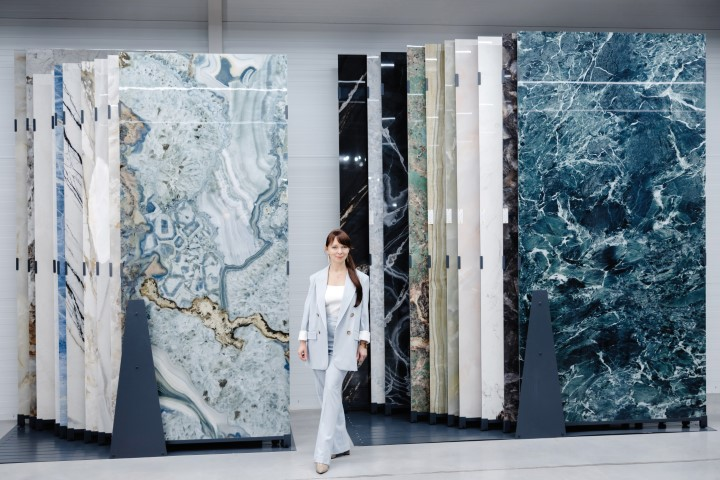
Marble countertops in Auburndale are chosen for high-end veining and timeless design, especially in kitchens, baths, and statement islands. At J&A Stone Designs Services Inc, you can select marble slabs in our Auburndale showroom, then we template, fabricate in-house, and install across Polk County with care guidance for long-term results.
Since 2018, our Auburndale showroom has helped Polk County homeowners match premium materials to how the space will actually be used. Marble is a calcium-based (calcareous) stone, which means it can be more prone to etching when it contacts acidic foods and liquids. Acidic items like citrus, tomatoes, alcohol, and vinegar can etch marble, often appearing as dull spots. We walk you through finish options (polished vs. honed), realistic maintenance expectations, and stain-resistance planning, including sealers that improve stain resistance but do not stop etching. With in-house fabrication and a controlled install process, marble can be an excellent fit when the homeowner understands the care.
What's Included in Our Marble Countertop Service
Slab selection support
At the Auburndale showroom with design guidance for veining direction and focal areas
Marble sourcing
Through established suppliers including ST Stones
Etch expectations
Clearly explained: marble is calcium-based and can etch when exposed to kitchen acids (citrus, tomatoes, vinegar, and similar)
Cleaning guidance
Use neutral cleaners and avoid acidic products that can dull or etch calcareous stone
Sealing perspective
Impregnating sealers improve stain resistance but do not make stone stain-proof and do not prevent etching
Finish strategy
Honed or textured finishes can make etching less visually obvious than high-polish in many kitchens
Typical lead time
Many marble projects complete 1–4 weeks after templating depending on slab availability and edge/cutout complexity
Optional coordination
With KCD/Tribeca cabinetry and Anthology backsplash for a cohesive remodel
Marble can stain if spills sit without cleanup, and it can etch — appearing as dull marks — when acidic items contact the surface. Both are manageable with the right habits and expectations.