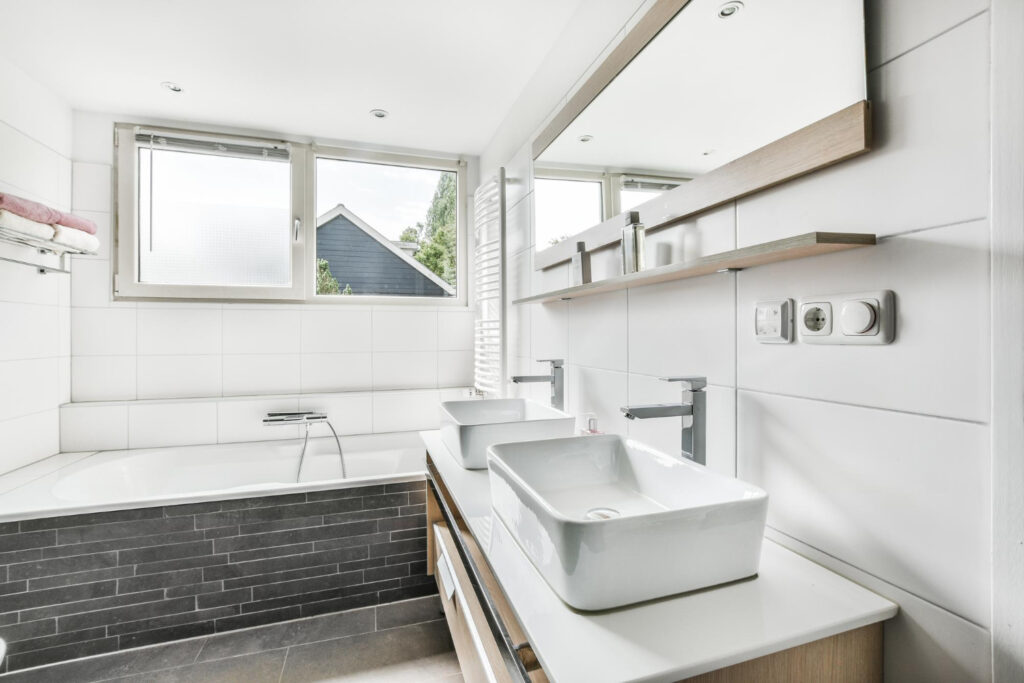





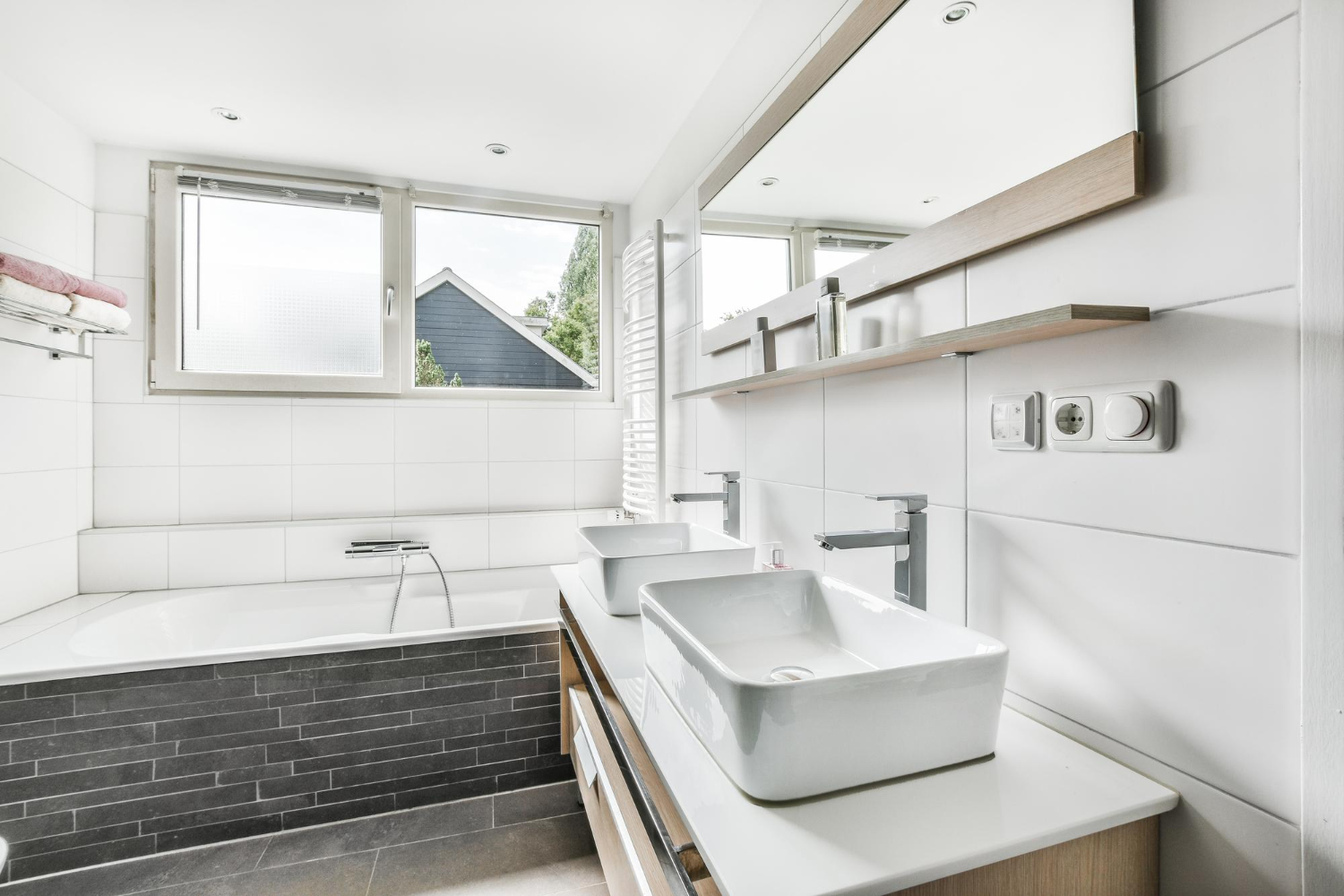

Upgrading a bathroom vanity is one of the fastest ways to improve the look and functionality of a bathroom. The vanity anchors the entire space. It supports the sink, stores everyday items, and defines the style of the room.
But bathroom vanity installation is more than swapping one cabinet for another. Plumbing placement, wall alignment, countertop selection, and storage layout all play a role in how successful the installation will be.
Homeowners often focus on the appearance of the vanity itself. The reality is that a properly planned installation determines whether the vanity performs well for years or quickly becomes a daily frustration.
Understanding the process helps avoid costly mistakes and ensures the upgrade delivers the results homeowners expect.
Why Bathroom Vanity Installation Matters
Bathrooms deal with constant moisture, temperature changes, and daily wear. Cabinets in these environments must be installed correctly to prevent issues like warping, shifting, or uneven countertops.
A proper installation ensures:
• The vanity is securely anchored to the wall
• Plumbing connections are aligned correctly
• The countertop sits level and stable
• Doors and drawers operate smoothly
Even small alignment issues can cause long term problems. That’s why experienced installation matters as much as the cabinetry itself.
Signs It’s Time for Bathroom Vanity Replacement
Many homeowners start considering bathroom vanity replacement when the bathroom feels outdated. But there are also functional reasons to upgrade.
Common signs include:
• Water damage around cabinet bases
• Limited storage for daily items
• Cracked or worn countertops
• Poor plumbing access
• Cabinets that feel unstable or loose
When these problems appear, replacing the vanity can restore both functionality and appearance.
Planning Your Bathroom Vanity Installation
A successful installation starts with planning. Before the old vanity is removed, measurements and layout decisions need to be made.
Key considerations include:
Vanity Size and Width
Standard vanities range from compact 24 inch units to large double sink installations exceeding 72 inches. The available wall space and plumbing location will influence the size that works best.
Storage Needs
Many homeowners upgrade vanities to improve storage. Drawer systems, cabinet dividers, and shelving options should match daily routines.
For example:
• Deep drawers for grooming tools
• Dividers for toiletries
• Hidden outlets for electric appliances
When storage is planned properly, countertops stay cleaner and bathrooms feel less cluttered.
Countertop Selection
Vanity countertops must handle moisture and regular use. Stone surfaces such as quartz or granite remain popular because they provide durability and easy maintenance.
Quartz countertops are often chosen because they are:
• Non porous
• Resistant to staining
• Easy to clean
Granite countertops remain a strong option for homeowners who prefer natural stone patterns.
The Bathroom Vanity Installation Process
While every project varies slightly, the installation process typically follows several key steps.
Step 1: Removing the Old Vanity
The existing vanity is carefully disconnected from plumbing and removed. This step also allows installers to inspect the wall and floor for damage.
Step 2: Preparing the Wall and Plumbing
Before installing the new vanity, plumbing lines are checked and adjusted if necessary. Wall surfaces are reinforced so the vanity can be securely anchored.
Step 3: Setting the Vanity Base
The cabinet base is positioned and leveled. This step is critical. If the base is not perfectly level, drawers and countertops may shift over time.
Step 4: Securing the Cabinet
The vanity is anchored directly to wall studs to ensure long term stability. Proper fastening prevents movement during everyday use.
Step 5: Installing the Countertop and Sink
Once the cabinet base is secure, the countertop and sink are installed. Plumbing connections are finalized, and the vanity is tested to confirm everything functions properly.
When these steps are handled carefully, the finished vanity feels solid and aligned.
Custom Vanities vs Stock Cabinets
Homeowners often choose between stock cabinets and custom bathroom vanities.
Stock vanities are manufactured in standard sizes. They are convenient but may leave gaps or wasted space.
Custom bathroom cabinets offer more flexibility because they are built to match the exact dimensions of the room. This allows better storage design and a cleaner installation.
Custom vanities also allow homeowners to select:
• Unique cabinet finishes
• Specific drawer configurations
• Coordinated countertops and cabinetry
For bathrooms with unusual layouts or limited space, custom cabinetry often delivers the best result.
Avoiding Common Installation Mistakes
Bathroom vanity installation can appear simple, but several common mistakes can cause long term problems.
These include:
• Failing to secure the cabinet to wall studs
• Installing cabinets on uneven flooring
• Choosing a vanity that blocks plumbing access
• Ignoring moisture protection around cabinet bases
These issues can shorten cabinet lifespan and lead to costly repairs later.
Working with experienced installers helps ensure these details are handled correctly from the start.
Choosing the Right Vanity Style
The vanity you choose will influence the entire bathroom design.
Popular vanity styles include:
• Floating vanities for modern bathrooms
• Furniture style vanities for traditional designs
• Double sink vanities for shared bathrooms
• Compact vanities for small spaces
Matching the vanity style with the overall bathroom design creates a more cohesive look.
FAQs About Bathroom Vanity Installation
How long does bathroom vanity installation take
Most standard installations can be completed within a few hours once the vanity and countertop are ready.
Can I install a bathroom vanity myself
Some homeowners attempt DIY installation, but professional installation helps ensure proper leveling, plumbing alignment, and structural support.
What size vanity should I choose
The best size depends on available wall space, plumbing location, and storage needs.
Do vanities need to be anchored to the wall
Yes. Proper anchoring ensures the cabinet remains stable and supports the countertop weight.
Should I replace the countertop with the vanity
In most cases, replacing the countertop at the same time ensures proper fit and alignment.
Bathroom vanity installation is a practical upgrade that improves both storage and design. When the installation is handled carefully, a new vanity can completely transform how the bathroom functions.
From better storage layouts to durable stone countertops, the right vanity setup improves daily use while enhancing the overall appearance of the space.
If you’re planning a bathroom upgrade and want cabinetry and countertops that fit your space properly, a professional consultation can help guide the design and installation process so everything works together seamlessly.