

Business Hours
Mon-Fri: 8AM - 4PM
We Service Central & South Florida Homeowners and Contractors.





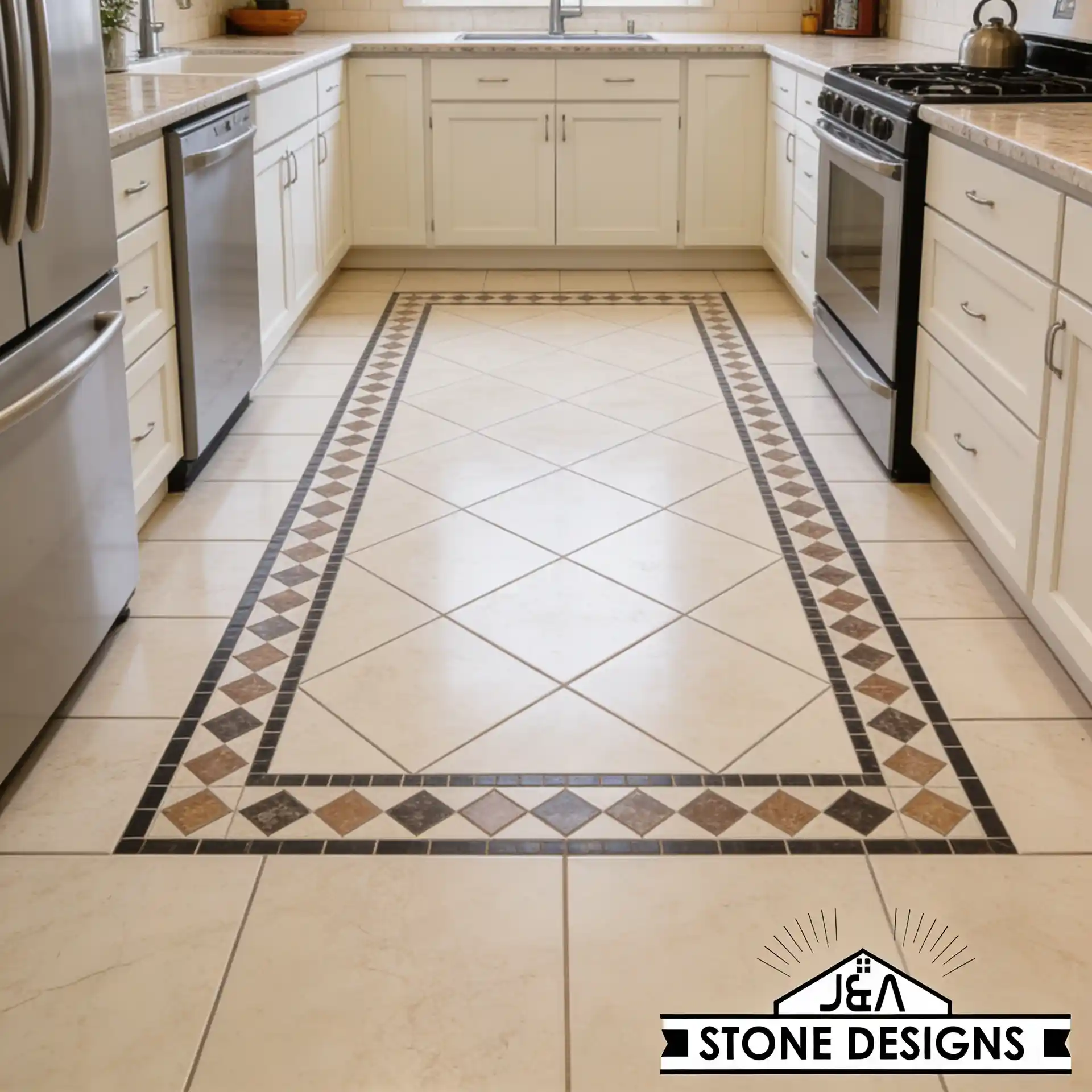
Porcelain · Ceramic · TCNA Standards · Polk County, FL
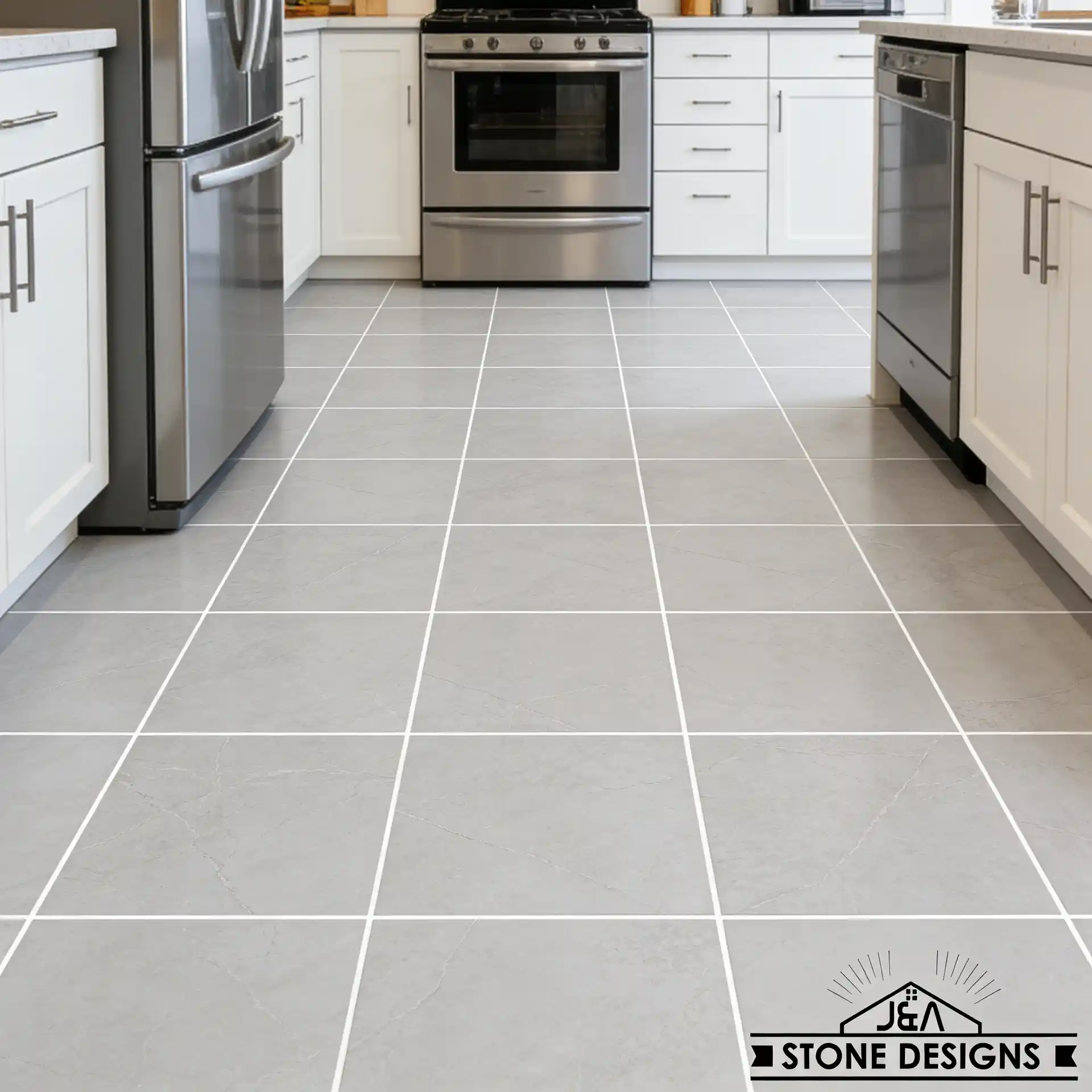
Porcelain and ceramic tile flooring installed to TCNA standards. The right choice for bathrooms, kitchens, laundry rooms, and covered lanais. Properly installed tile lasts decades with minimal maintenance.
About Tile
Porcelain and ceramic tile have been the standard for bathroom and kitchen floors for decades because nothing else combines complete water resistance, structural durability, and design flexibility the same way. Properly installed tile outlasts every other flooring category.
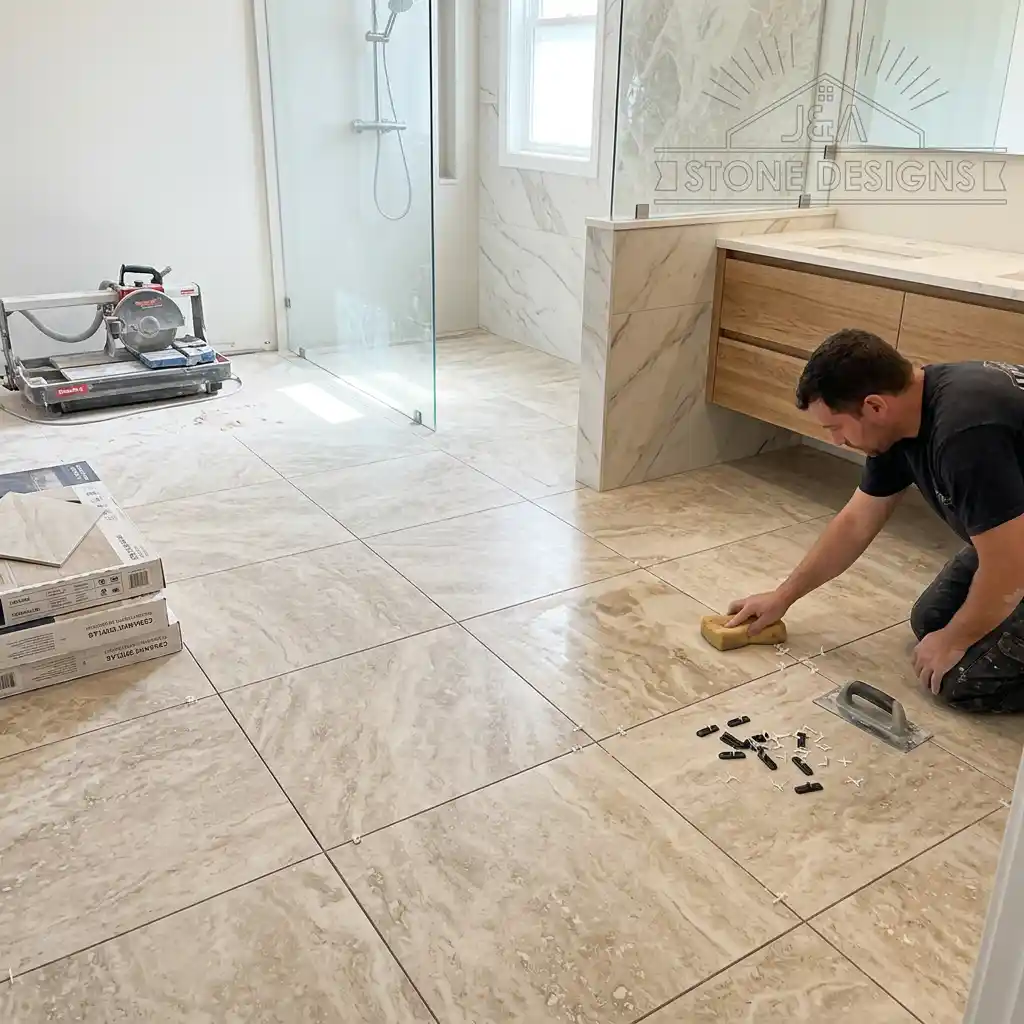
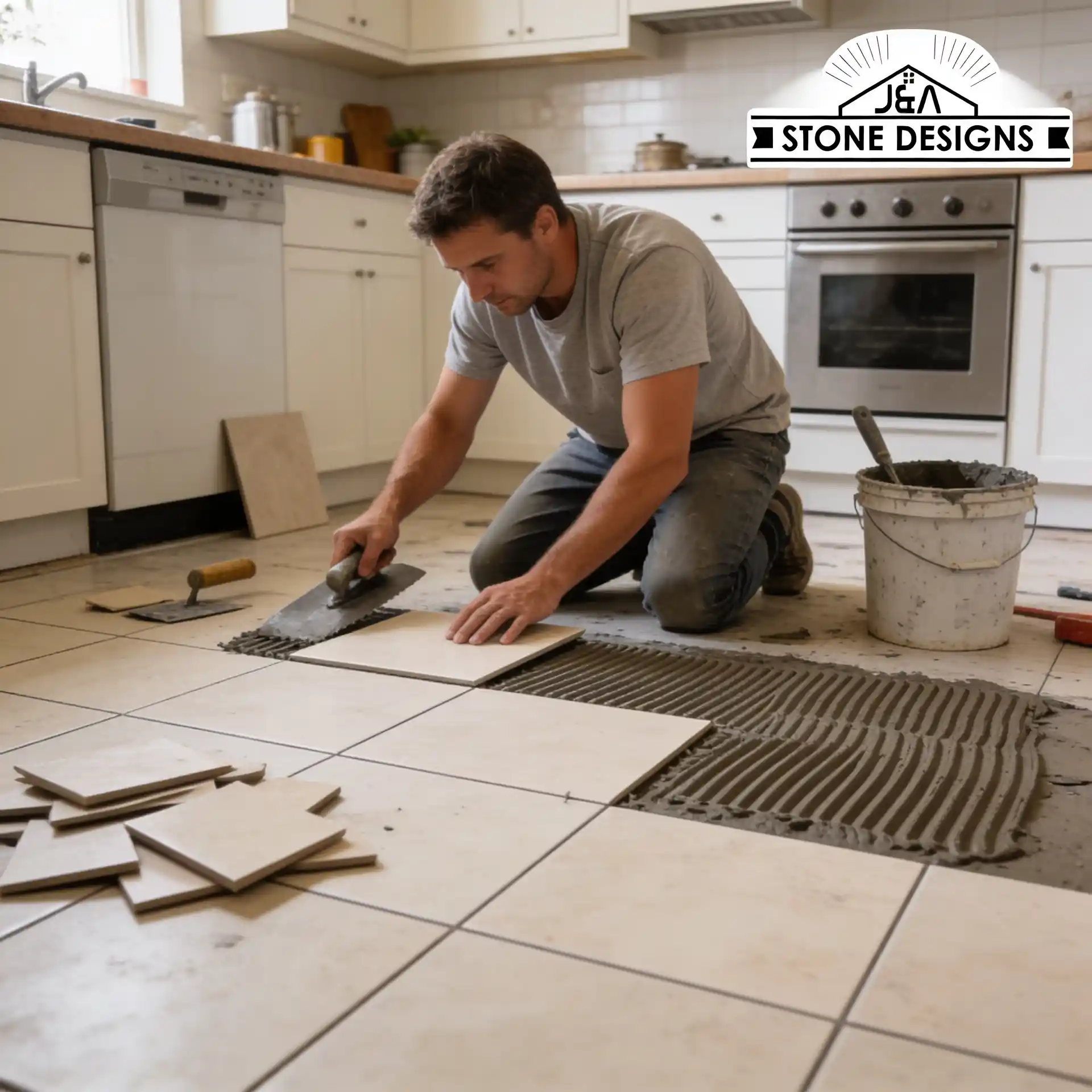
The TCNA (Tile Council of North America) installation standards exist because tile installation done poorly fails predictably: cracked grout, popped tiles, water infiltration to the subfloor. Done correctly, the same installation lasts 30+ years with minimal maintenance. Our installers follow TCNA specifications including proper subfloor preparation, isolation membrane where required, correct mortar selection, and proper grout joint sizing.
For Florida applications specifically, porcelain tile beats ceramic in most cases. Porcelain has a denser body (lower water absorption rate), better resistance to thermal shock, and better wear resistance for high-traffic areas. The cost difference between premium ceramic and basic porcelain is minimal, so we default to porcelain unless there's a specific reason otherwise. The same porcelain slab technology used for countertops makes excellent flooring.
Tile pairs naturally with quartz countertops in modern kitchens or granite countertops in traditional designs. For full bathroom renovations, we coordinate floor tile installation alongside vanity installation and vanity top fabrication through the same project schedule.
Tile is also the right choice for covered lanais, sunrooms, and screened porches. The combination of UV exposure, humidity swings, and occasional rain that destroys most flooring categories doesn't affect porcelain. We've installed lanai tile that's outlasted the rest of the home's renovations.
Key Properties
Porcelain tile body is essentially waterproof. The grout joints are the only path for water penetration, which is why grout sealing matters. We seal all grout joints at install and provide a resealing schedule (typically every 1 to 3 years).
Tile shrugs off dropped pots, dragged furniture, and direct heat exposure. The hardest residential flooring surface available. Damage is rare and isolated when it does happen.
Wood-look planks, marble-look slabs, geometric patterns, and large-format panels are all available. Modern tile printing technology produces visuals close to natural materials at a fraction of the cost.
Porcelain vs Ceramic
Both porcelain and ceramic are clay-based tiles fired at high temperatures, but they differ in density and water absorption.
Water absorption: Less than 0.5%. Essentially impervious.
Best for: Floors, exterior applications, lanais, kitchens, high-traffic commercial areas. Polished porcelain rivals natural stone visually.
Cost: Slightly higher than ceramic but the durability advantage justifies the difference for floor applications. Our default recommendation for flooring.
Water absorption: 3% to 7%. Suitable for interior walls and lower-traffic floors.
Best for: Wall tile in showers and backsplashes, lower-traffic indoor floors, decorative patterns. Softer body is easier to cut into custom shapes.
Cost: Lower than porcelain. The right choice for wall applications and budget-conscious projects in low-traffic rooms.
Honest recommendation: For Florida flooring applications, we default to porcelain. The performance difference outdoors and in high-traffic areas is significant, and the cost premium is small. Ceramic is the right choice for shower wall tile and decorative accent applications where the floor isn't the focus.
Side-By-Side Comparison
Compare tile against our other flooring categories.
| Property | LVP | Tile | Hardwood | Laminate |
|---|---|---|---|---|
| Waterproof | Yes — rigid core | Yes — porcelain | No | Water resistant only |
| Use in bathrooms | Yes | Yes — best | Not recommended | Not recommended |
| Use in kitchens | Yes | Yes | With care | With care |
| Real wood feel | Realistic look only | No — ceramic/porcelain | Yes — real wood | Realistic look only |
| Comfort underfoot | Warm, slight cushion | Hard, cool | Warm, firm | Warm, slight cushion |
| Installation method | Floating click-lock | Mortar & grout | Nail-down or glue-down | Floating click-lock |
| Typical installed cost | $4–$9 / sq ft | $8–$15 / sq ft | $8–$14 / sq ft | $3–$7 / sq ft |
| Best for | Whole home, any room | Bathrooms, kitchens, lanais | Living, dining, bedrooms | Bedrooms, offices, rentals |
What to Expect
Most flooring projects run one to three weeks from first showroom visit to install completion. Here is what happens at every step.
Compare LVP, tile, hardwood, and laminate samples side-by-side. Bring photos of the rooms you're renovating to discuss material fit.
We visit your home to measure square footage, inspect the subfloor, and run a moisture test before quoting.
Final material decision happens with samples in your home so you can see colors under your actual lighting.
Existing flooring removal, subfloor leveling, moisture barrier installation. The single biggest determinant of how a floor performs long-term.
Professional installation following manufacturer specifications and TCNA standards for tile. Most rooms complete in one to two days.
We walk every transition, every threshold, and every corner with you. Care guide specific to your material handed off at closeout.
Wisetack Financing Partner
Check your options without affecting your credit score. 0% APR available for qualified consumers. Terms 3 to 60 months. See full details on our financing page or call to talk through options.
Common Questions
Have a tile-specific question? Call directly. Most flooring questions take under five minutes to answer.
Call (863) 267-4222Includes measurement, subfloor inspection, and moisture testing at no cost. Written quote with no obligation.
We'll talk through whether tile fits your specific rooms and renovation goals. Mon–Fri · 8AM to 4PM.